
Between lessons: choosing a practice book for a Russian-speaking learner
Practice between lessons is easier to discuss when the task is small and its purpose is clear. Russian-language learning books include materials for different stages, so the first question is what the learner is actually ready to do. The two resources considered here support Russian literacy; this English-language guide does not present them as English textbooks.
Choose the task before choosing the page
Start with a concrete aim: reading a short passage with support, or practising a particular writing element. These are different activities. A child who can recognise a word may still find it difficult to write, while careful copying does not by itself show understanding of a passage. Keep the purpose visible when selecting the material.
The reading resource Первая после Букваря книга для чтения is designed for children who have worked through a primer and are moving towards independent reading. The description includes literary texts, retelling and accompanying tasks. It is therefore more useful to inspect a short passage than to assume that every page suits any child beginning to read Russian.
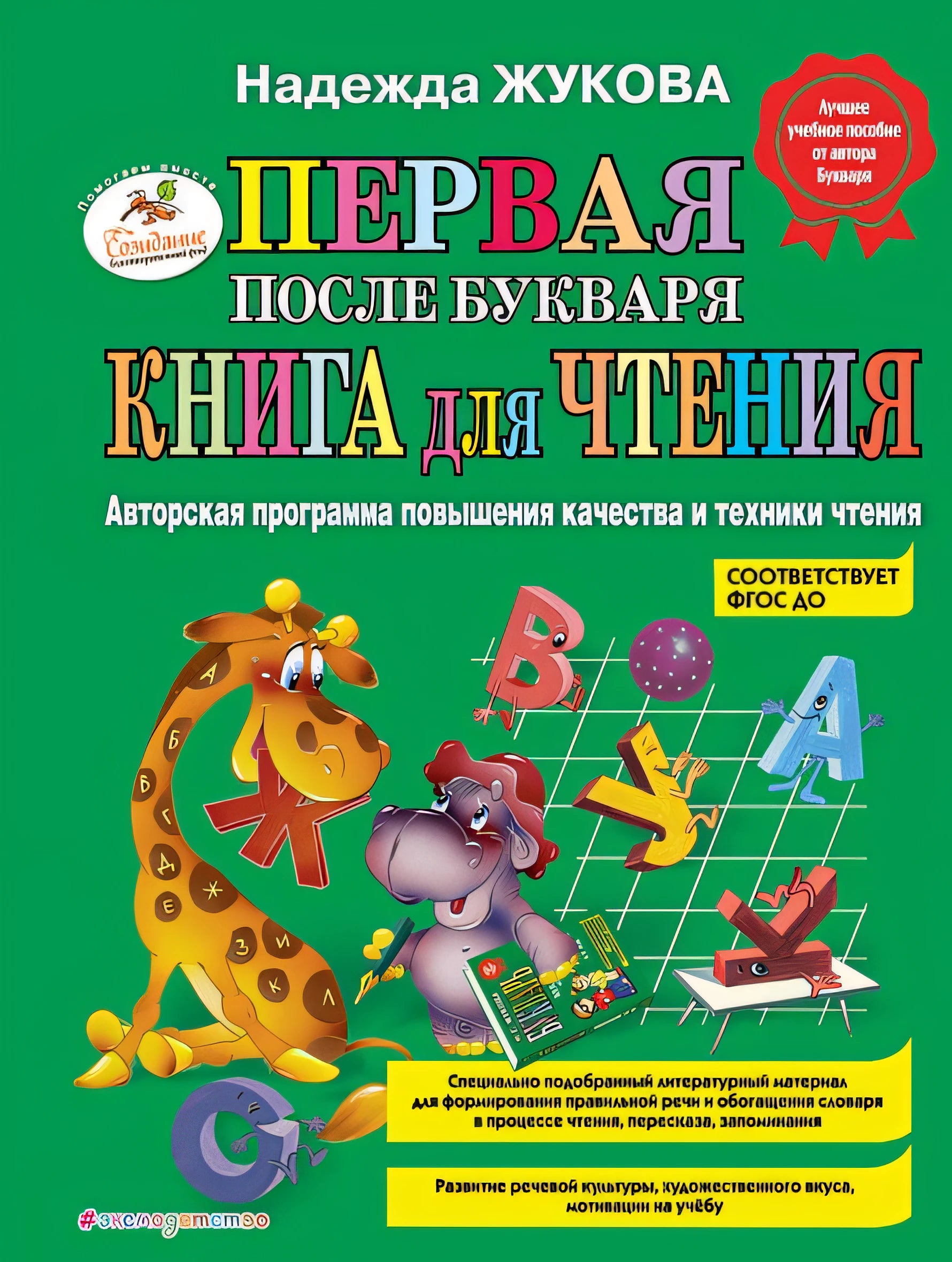
Read the selected passage yourself first. Notice unfamiliar vocabulary and the kind of response the task requests. You can then decide whether to read together, take turns or leave a small section to the learner. This is a suggested way to organise practice, rather than a claim about a fixed sequence prescribed by the book.
Keep writing practice separate and specific
The second resource, Мои первые школьные прописи. В 4 ч. Ч. 2, is part two of a four-part handwriting series by O. V. Uzorova and E. A. Nefyodova. Its description mentions tracing letter elements, independent writing, spelling features and copying printed text. Those details make the part number important: check its contents rather than treating it as a complete introductory course.
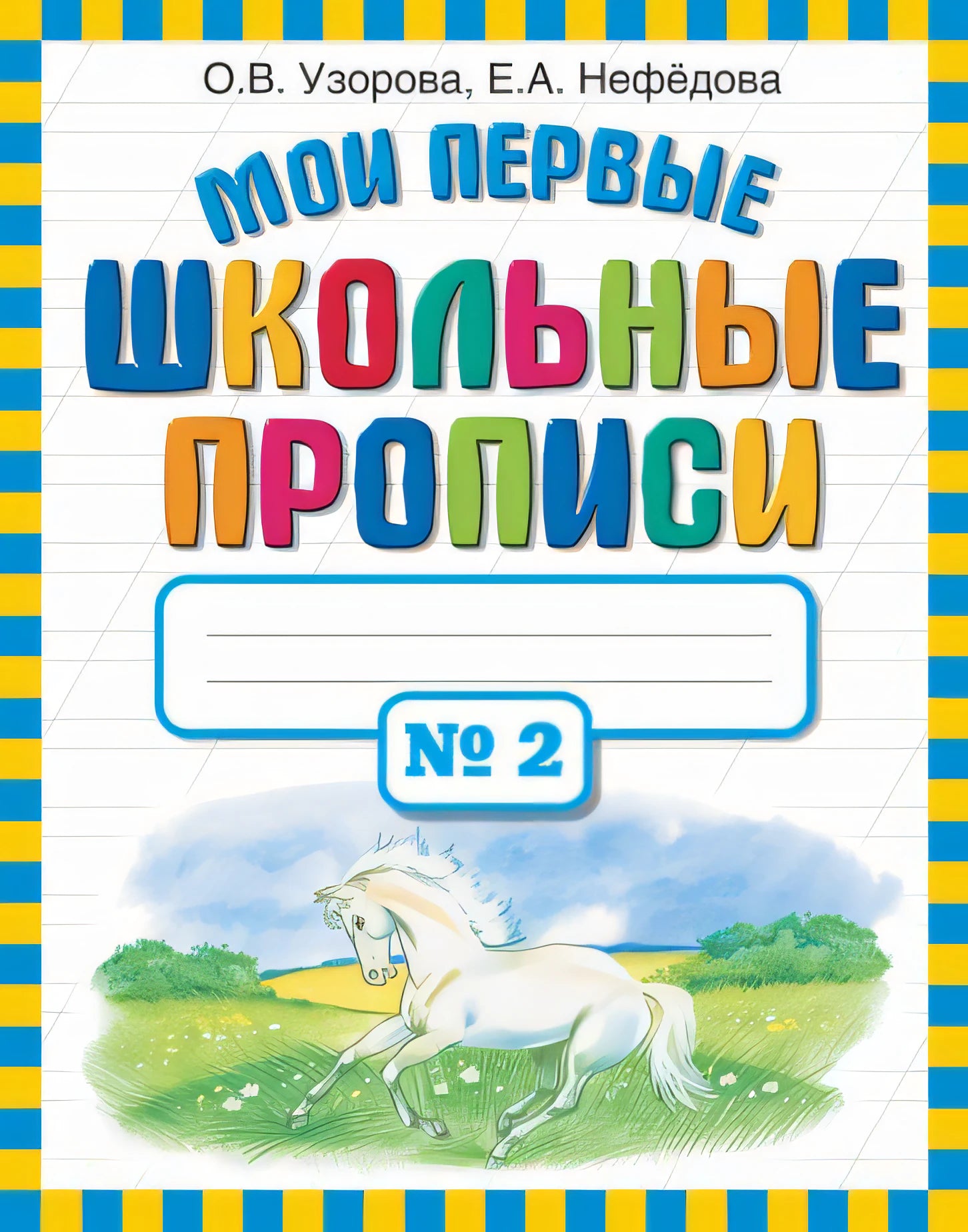
Select one type of exercise and explain what the learner is looking for. If the aim is a particular letter element, feedback can stay with that element. Adding comments about speed, every spelling choice and the appearance of the whole page at once may obscure the original task.
A short note can connect the session to the next lesson: what was attempted, what felt manageable and where help was needed. The note need not grade the child. Its value is in giving the teacher or parent a specific example to discuss, instead of the broad impression that practice went well or badly.
Stop with a useful observation
For a bilingual family, also name the language of the task explicitly. These books concern Russian reading and writing. Their place alongside other language learning depends on the family’s aims and the learner’s existing knowledge; a familiar-looking alphabet exercise should not be mistaken for material in another language.
At the end, ask the learner to show one part they would like to revisit. Keep that page or exercise in the next-session note. A clear stopping point and one specific observation are enough to make practice reviewable without turning an ordinary evening into a full additional lesson.