

Choosing an English test: check the destination first, then compare formats
Work through the receiving organisation's requirements first, then compare IELTS, TOEFL and Cambridge qualifications on format, scoring and practical fit before booking anything.
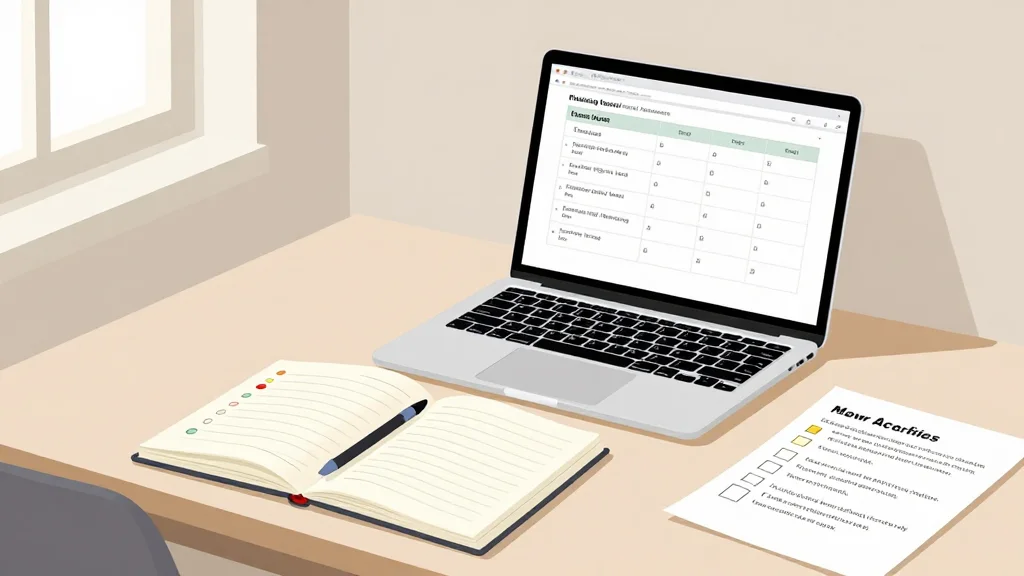
Start with the list, not the test
The question most people ask first is which test is best, but the useful question is which test the destination accepts. A university admissions page, an employer's HR policy or an immigration authority's published guidance will name the qualifications it recognises and the minimum score it expects. That list is the starting point because it can eliminate options before you spend money or time preparing.
For example, an institution might accept IELTS Academic, TOEFL iBT and Cambridge English: Advanced, but require a specific band or score range for each. Some accept only one of the three. A few accept additional qualifications you may not have heard of. Check the current page rather than relying on a brochure from last year or a friend's experience, because requirements do change.
- Find the official admissions, HR or immigration page for your specific destination.
- Note which tests are named and whether Academic or General Training versions are accepted.
- Record the minimum band, score or CEFR level required, and any per-module minimums.
What IELTS actually offers
IELTS comes in two versions. Academic is aimed at people entering university or professional registration; General Training is aimed at work placements, migration and other non-academic purposes. If your destination's list specifies one, that settles the question. If it accepts both, the choice depends on your purpose.
The test is offered in a computer-based format at many centres and in a paper format at others, though availability varies by location and date. Speaking is always face-to-face with an examiner. Results typically arrive within a few days for computer-based sittings and longer for paper sittings, so if you have a deadline, check the published turnaround for your chosen centre.
- Confirm whether your destination accepts Academic, General Training or both.
- Check whether your local centre offers computer-based or paper-based sittings on your preferred dates.
- Note the published result turnaround time against any application deadline you face.
How TOEFL differs in practice
TOEFL iBT is delivered entirely on a computer and is scored on a 0 to 120 scale, with the four skills reported separately. There is no face-to-face speaking component; you speak into a microphone and your responses are scored by a combination of automated and human review. Some learners find that format comfortable, others find it stressful, and neither preference is wrong.
TOEFL test centres are concentrated in cities and universities, so availability can be tighter in smaller towns. Results generally arrive within one to two weeks. If your destination's list names TOEFL and gives a minimum total score, check whether it also requires minimums in individual sections, as some institutions do.
- Check whether your destination requires a total score only or per-section minimums.
- Look up test centre availability near you for your preferred window.
- Consider whether a fully computer-based format suits your concentration and comfort.
Cambridge qualifications and the CEFR
Cambridge English qualifications, such as B2 First, C1 Advanced and C2 Proficiency, are mapped to the CEFR, the Common European Framework of Reference for Languages, which describes ability on a scale from A1 beginner to C2 mastery. A destination that accepts Cambridge tests will usually name the specific qualification and the grade required, for instance C1 Advanced at grade B.
The practical difference from IELTS and TOEFL is that Cambridge tests are designed to certify a level of general English competence rather than to serve a specific academic or immigration purpose. They are well suited to learners who want a recognised certificate of ability, but you still need to confirm that your destination's list includes the specific qualification you are considering.
- Identify which Cambridge qualification your destination accepts, if any.
- Check the grade threshold, not just the qualification name.
- Note that Cambridge tests are typically scheduled at fixed dates, so plan your preparation around those windows.